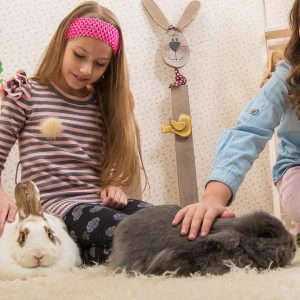
Bunnies need a best friend
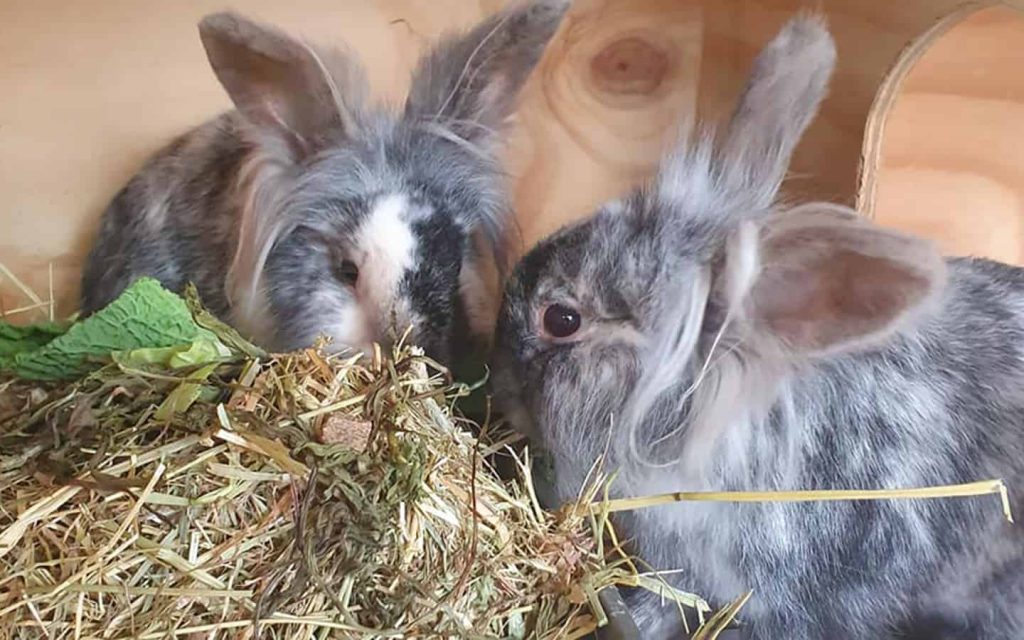
No matter how much time you spend with your rabbit, you can’t replace another rabbit. They need a companion to groom, cuddle, and communicate with. Studies show rabbits value companionship even more than food. In the wild they live in groups, so living alone can cause stress and loneliness.
Caring for two rabbits isn’t much harder than caring for one, and watching them interact is incredibly rewarding. They can also live happily in trios or larger groups if you have the space and resources.
Rabbits need to be neutered
Neutering prevents accidental litters, as rabbits are extremely fertile, and rescues already see around 67,000 rabbits a year. Neutering also makes bonding safer by reducing hormone driven aggression.
For females, it’s essential: up to 85% develop uterine cancer by age five if left unneutered. Neutering also helps reduce behaviours like spraying, humping, aggression, and false pregnancies.
They need lots of space
Rabbits are active animals who need room to run, jump, and explore. Most shop bought hutches are far too small.
The Rabbit Welfare Association & Fund recommends a minimum of 10ft x 6ft of permanent space. Many owners use sheds, playhouses, or aviaries to create safe, spacious setups. Before getting rabbits, make sure you can provide enough room, more is always better.
Rabbits aren’t cheap
Rabbits are far more expensive than people expect. A proper setup can cost hundreds of pounds, and a large outdoor build can exceed £1,000.
Neutering and vaccinations typically cost £120–£200, and vaccinations must be repeated annually. Add hay, pellets, enrichment, and vet bills, and a pair of rabbits can easily cost £50+ per month.
Insurance is strongly recommended to help cover unexpected vet care.
They love to play
Rabbits are intelligent and get bored easily. Good enrichment includes:
- Tunnels
- Forage‑filled egg boxes
- Hay‑stuffed cardboard tubes
- Cardboard boxes
- Dig boxes
- Wooden toss toys
- Stacking cups with treats
If it encourages chewing, digging, or exploring, they’ll love it.
They poop… a lot
Rabbits need constant access to food to keep their gut moving, so they poop frequently. Luckily, most can be litter trained.
Their diet should be 85–90% good‑quality hay, with small amounts of pellets and veg. A healthy diet means healthy golden poops.
They Eat Their Poop
Sounds gross, but it’s a vital element of their digestive process. Rabbits produce two types of poop, the hard, round pellets and a softer type. The latter are called cecotropes and are full of nutrients that your rabbit needs. This is the one they eat, so don’t worry if you see them doing this!
Rabbits can be sensitive and prone to illness
As prey animals, rabbits hide illness well. Gut stasis is the most common emergency—reduced appetite, fewer poops, or signs of pain for more than 12 hours means they need a vet urgently.
A rabbit savvy vet is essential, as rabbits are classed as exotic pets.
Rabbits don’t like being picked up
Many rabbits dislike being lifted because it triggers their prey instincts. Some tolerate handling, but most prefer interaction with all four feet on the ground.
Because of this, rabbits aren’t ideal pets for young children and may scratch or bite if frightened.
Adopt, don’t shop
Rescues neuter and vaccinate rabbits before adoption, saving you significant costs. They also get to know each rabbit’s personality and can help with bonding, which can be difficult and risky if done incorrectly.
Most importantly, adopting gives a rabbit a second chance. With tens of thousands entering rescues each year, choosing adoption truly makes a difference.
Think before you buy. Rescue rabbits aren’t ‘damaged goods’. #adoptdontshop